On 13 October 2026, the EU-funded projects AdvisoryNetPEST, modernAKIS and ATTRACTISS held a joint online workshop on supporting the adoption of practices that Reduce the Use and Risk of Pesticides. The event brought together more than a 100 participants from different EU countries to examine how agricultural advisors and wider Agricultural Knowledge and Innovation Systems (AKIS) can help Novel Approaches (NAs) achieve wider uptake.
Moving from promising practices to practical adoption
Entitled “Supporting the Adoption of Pesticide-Reduction Practices: Practical Tools for Advisors and AKIS”, the workshop focused not on selecting or evaluating individual crop-protection solutions, but on understanding why Novel Approaches can be difficult to adopt or scale.
The programme followed three connected steps: starting with real NAs, examining the wider system of actors and relationships around their adoption, and applying practical tools that can turn analysis into achievable action. Participants were encouraged to contribute their own experiences throughout the interactive sessions.
The three participating projects contributed to complementary perspectives: AdvisoryNetPEST focuses on reducing pesticide use and risks by strengthening agricultural advisory networks. modernAKIS works to reinforce the capacities of AKIS actors and build more coherent, effective and efficient knowledge and innovation systems. ATTRACTISS develops competencies, methods and networks for innovation support services in agriculture and forestry.
Practical examples from the United Kingdom and Poland
Two case studies provided a basis for exploring the challenges surrounding the adoption of practices that Reduce the Use and Risk of Pesticides.
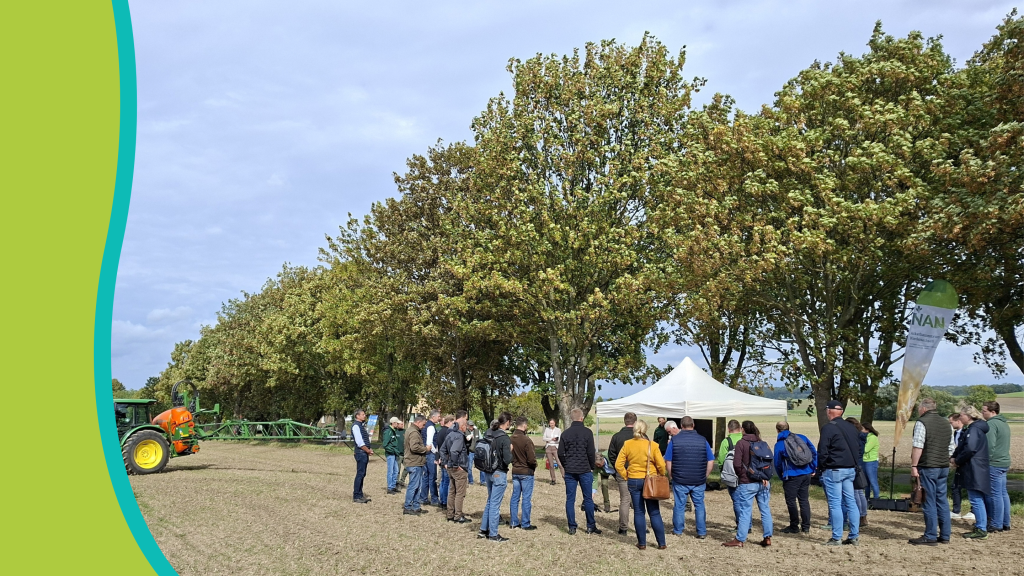
The first case study, presented by Dr. Duncan Coston from ADAS, examined decision support for managing Barley Yellow Dwarf Virus in wheat and barley in the United Kingdom. The novel approach combines variety selection, aphid monitoring and information on aphid abundance and virus prevalence to help growers make better-informed pest-management decisions.
Rather than making decisions for growers, decision-support systems provide data that can help them interpret risk more accurately. The case study also highlighted the importance of validating such tools under field conditions and working with growers and advisors to compare data-led decisions with prophylactic insecticide applications.
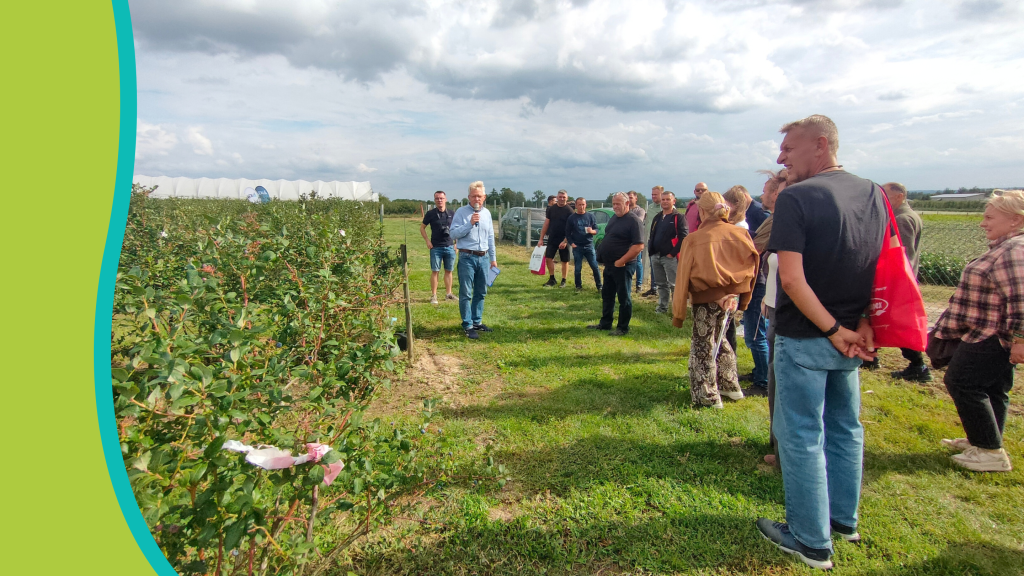
The second case study was presented by Paweł Krawiec from Horti Team, Poland. Drawing on experience from a commercial berry farm that also supports research, field trials and advisory activities, the presentation introduced four tools used in integrated pest management: disease-prediction models, pest monitoring, prediction of pesticide active-substance degradation, and biological plant protection.
The case study demonstrated how these tools can be combined to reduce reliance on chemical pesticides while responding to production conditions and market requirements. It also illustrated the value of connecting researchers, advisors, growers and technology providers through field trials and practical workshops.
Looking beyond technical solutions
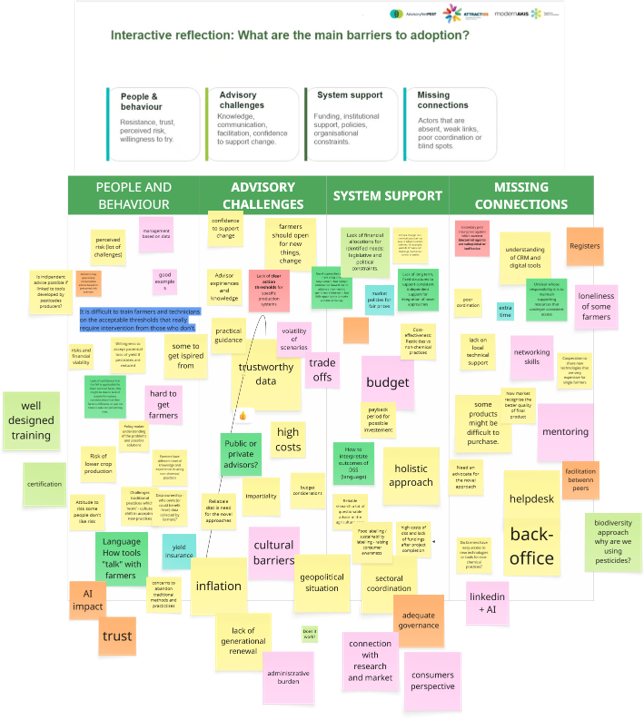
Following the case studies, participants considered four categories of barriers to adoption: people and behaviour, advisory challenges, system support and missing connections. The discussion identified issues including trust, perceived production risks, access to reliable data, unclear action thresholds, budget constraints, language differences, knowledge gaps and weak coordination between relevant actors.
Contributions also showed that technical evidence alone may not be enough to encourage change. Communication, facilitation, trust and the ability to translate research into a form that farmers can use are equally important. The discussion therefore reinforced the need to view pesticide reduction as a complex, system-level challenge rather than solely as a technical question between an advisor and a farmer.
Using AKIS tools to turn analysis into action
modernAKIS introduced training materials and collaborative serious games available through AKISConnect. These resources help users examine actors, relationships, system boundaries and the external conditions influencing agricultural innovation. The AKIS Strategy Builder Game, for example, guides participants through system diagnosis, actor mapping, strategy design, implementation, monitoring and evaluation.
ATTRACTISS subsequently introduced its toolbox for innovation support services, focusing on the Network Analysis tool. The tool helps users identify a project’s core group, define the knowledge or actions required, find actors able to meet those needs, and map the connections needed to reach them.
During a live exercise based on the UK case, participants applied this approach to identify the information a farmer might need before adopting a decision-support system. These needs included evidence about yield, profitability, ease of use and access to advisory support. The exercise then translated the network map into named responsibilities and practical follow-up actions.
One realistic next step
The workshop concluded that barriers to adopting practices that Reduce the Use and Risk of Pesticides frequently extend beyond the immediate farmer–advisor relationship. Applying an AKIS perspective can make relevant actors, missing relationships and system blind spots more visible.
The resulting map does not need to provide a complete solution. Its value lies in the conversations, connections and actions it enables. By identifying one leverage point and defining one realistic next step, advisors can begin moving from diagnosis to action. Participants were encouraged to test the approaches in their own networks, reflect on the results and share their experience with others.
View the full workshop recording and presentation materials below:
https://advisorynetpest.eu/wp-content/uploads/2026/10/Joint_Workshop_PPT.pdf