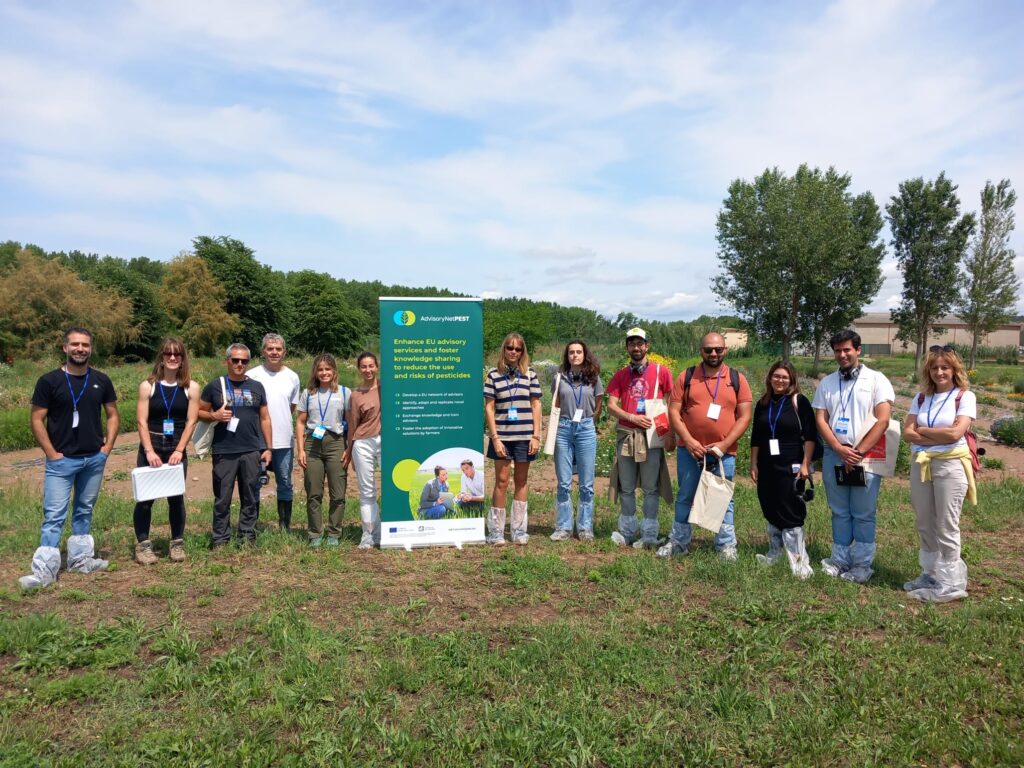
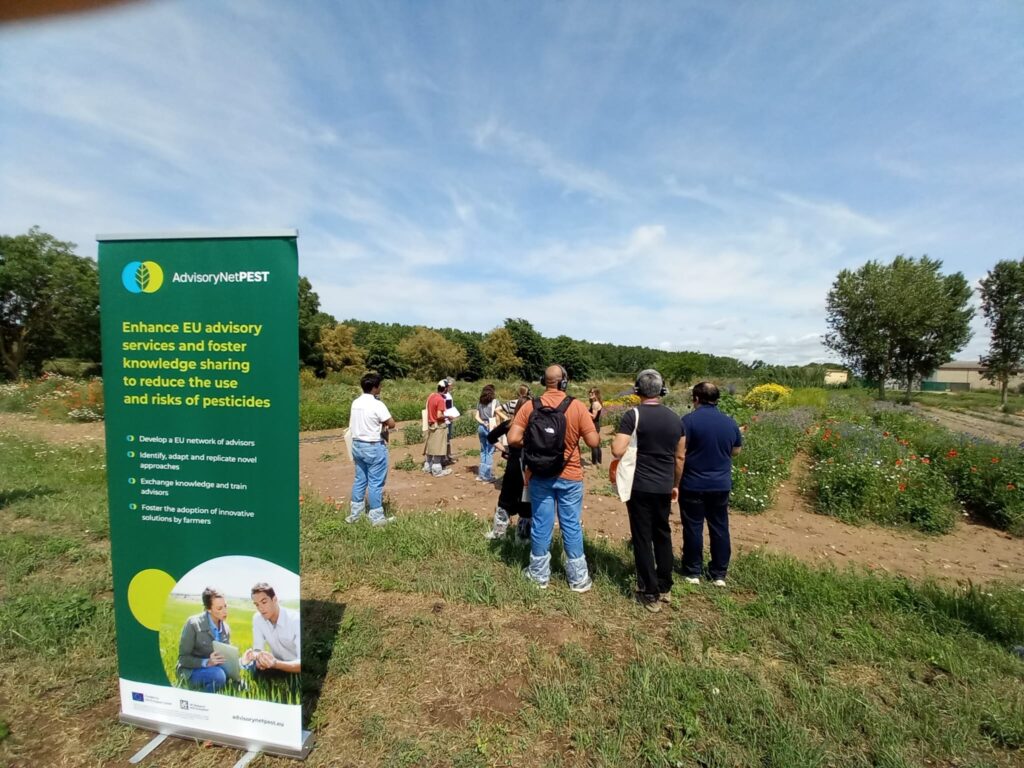
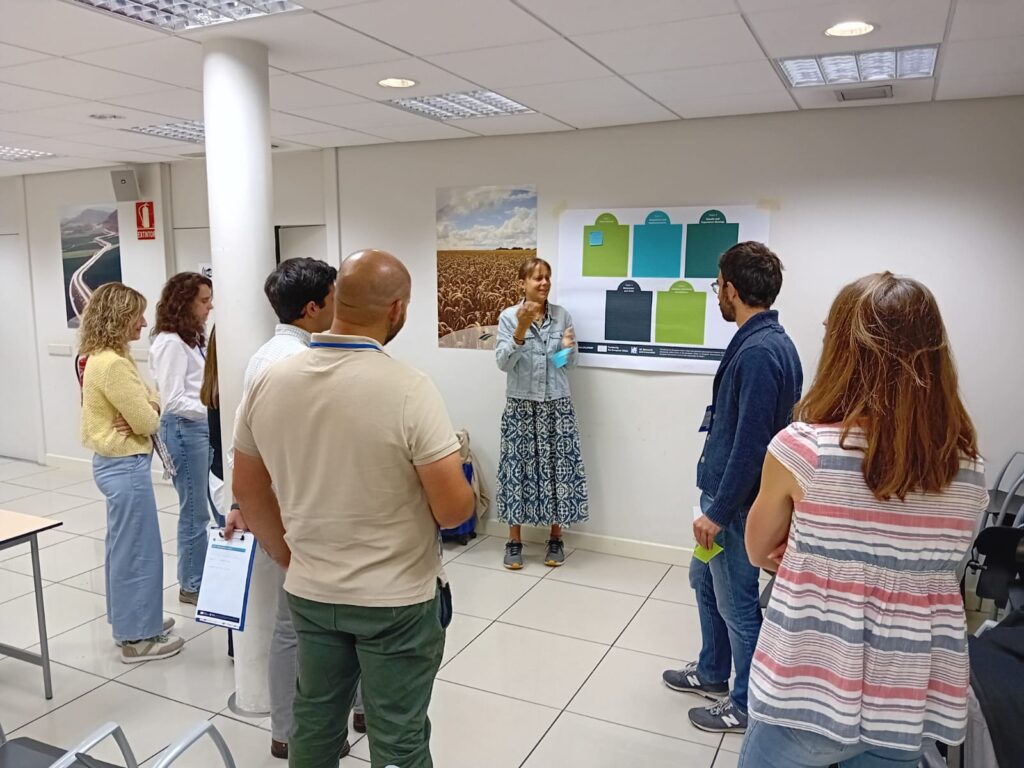
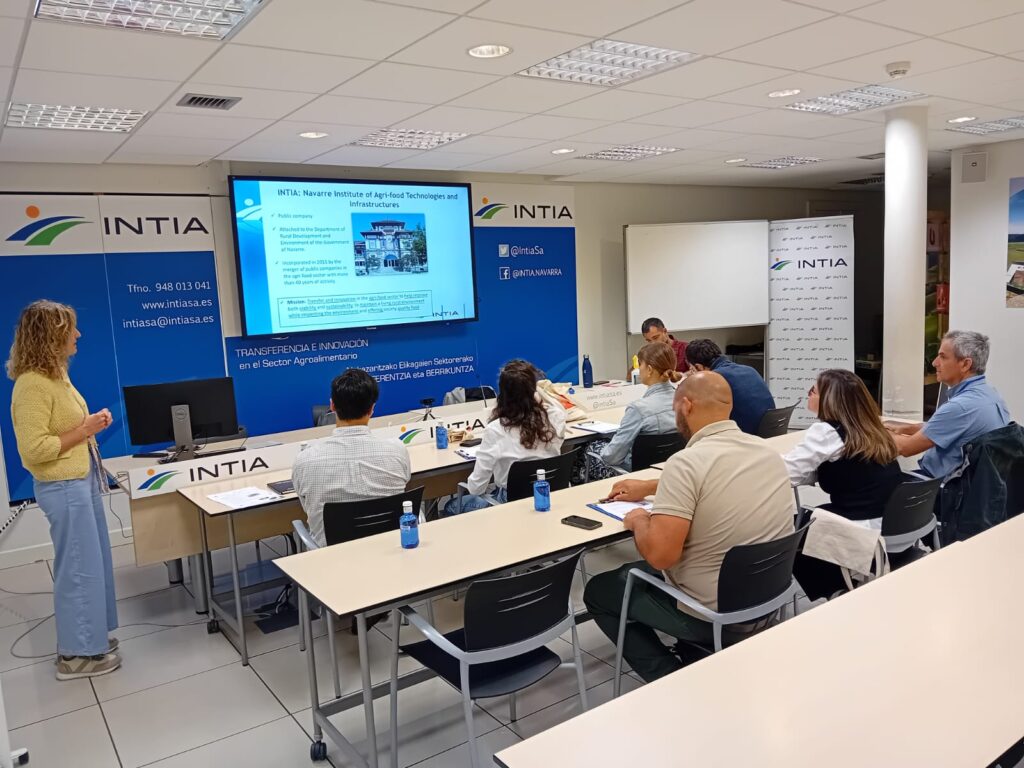
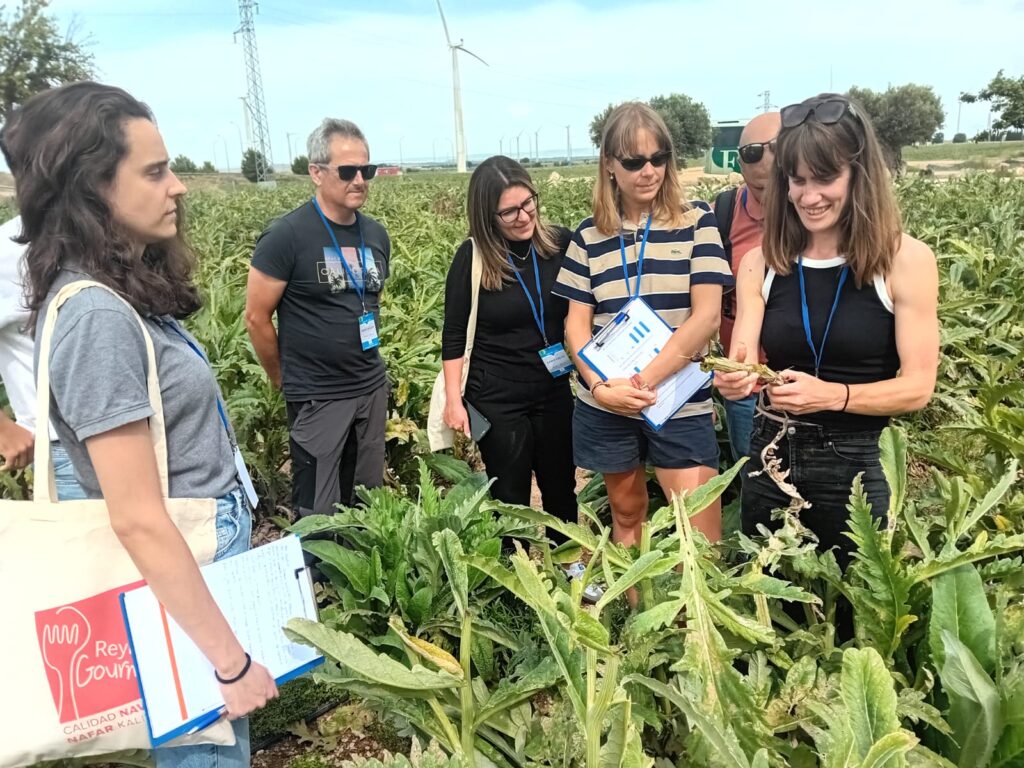
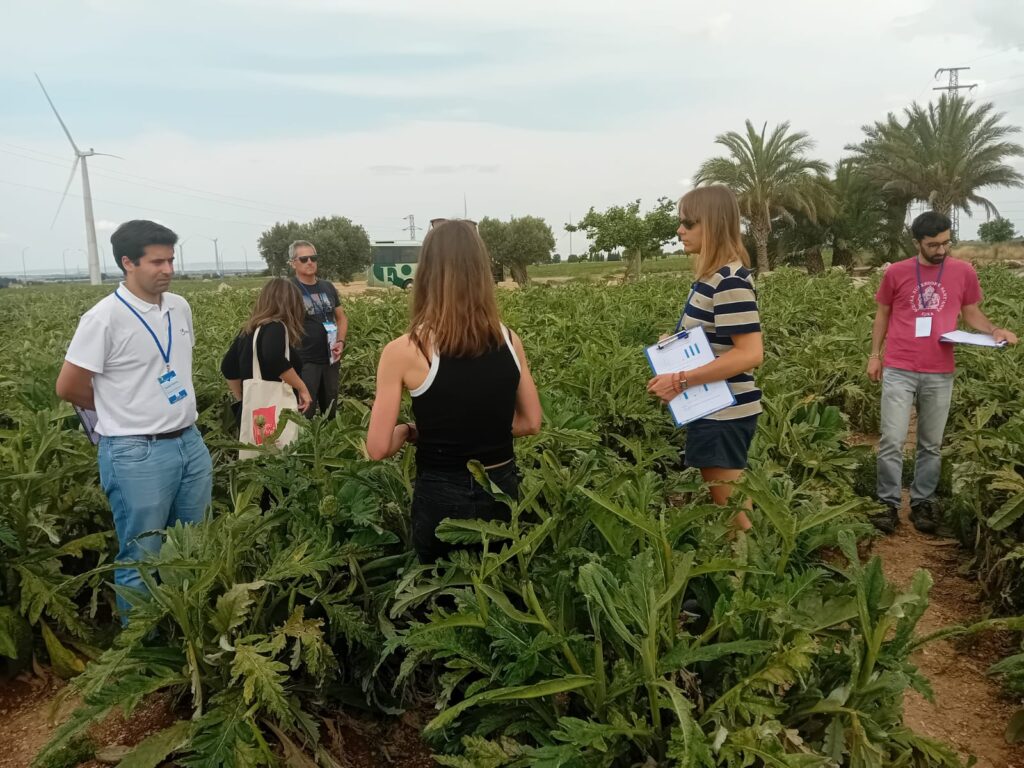
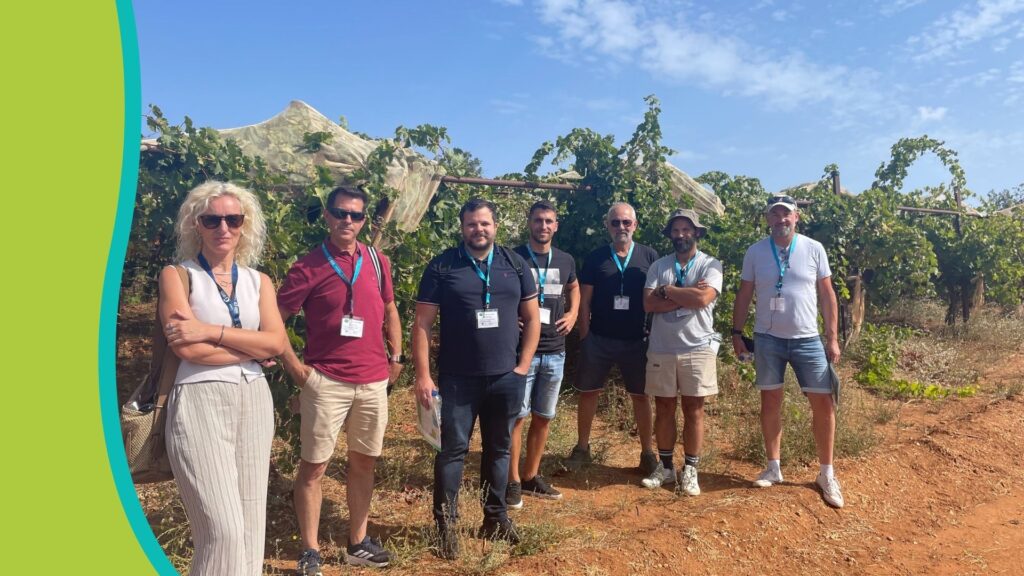
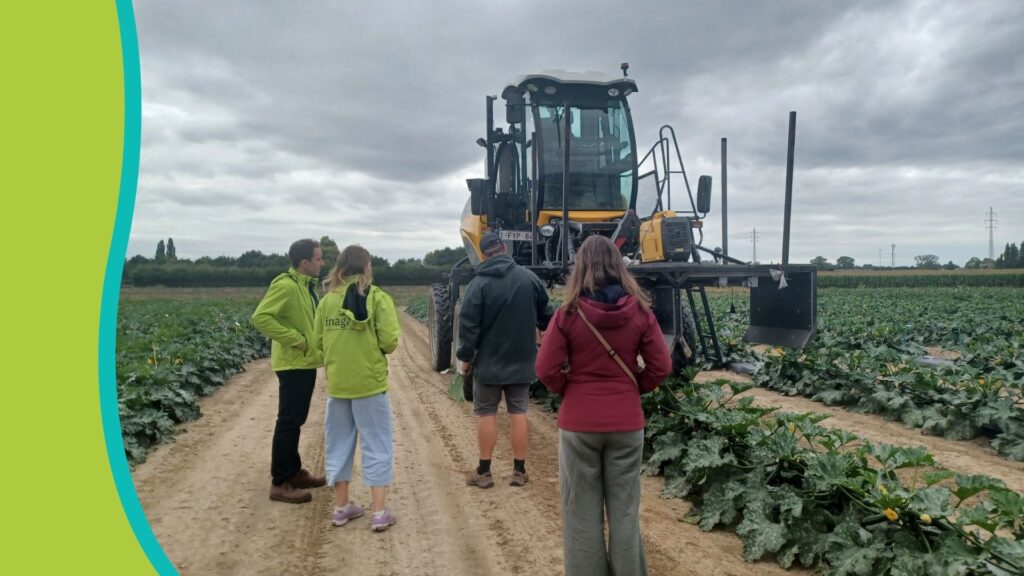
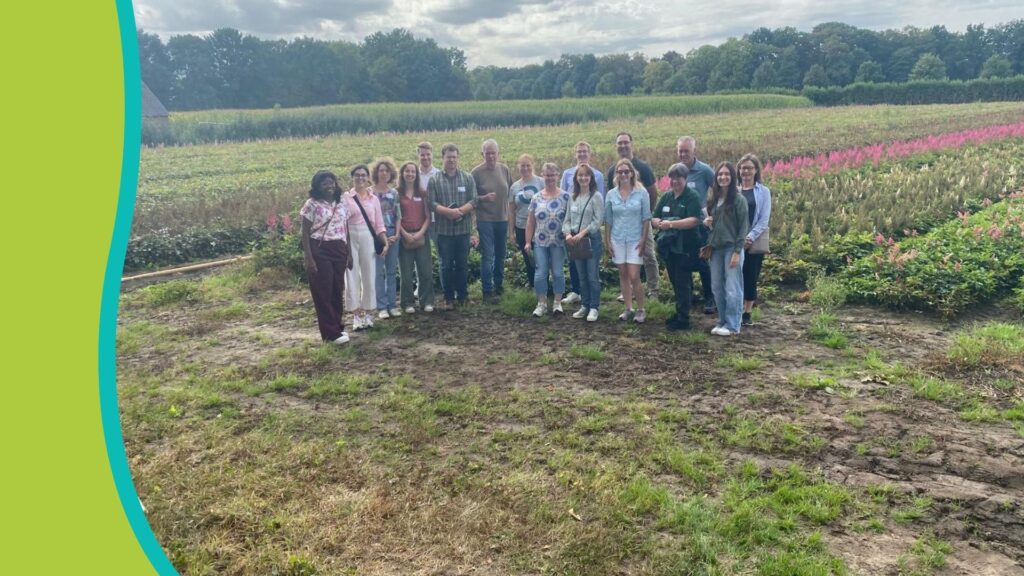
On 4–5 June 2025, AdvisoryNetPEST partners from Italy, Malta and Portugal took part in a cross-visit hosted by INTIA in Navarra, Spain. The visit gathered seven participants and centred on a Novel Approach tested over four years in the region: the use of mating disruption to control Gortyna xanthenes in artichoke. The field activities were conducted at SAT Agorreta, a leading artichoke producer in southern Navarra.
A Promising Technique for a Persistent Pest
The artichoke crop in Navarra has long struggled with Gortyna xanthenes, a pest for which available insecticides often deliver insufficient results. The Novel Approach presented during the cross-visit introduces mating disruption as a complementary method. By interfering with the pest’s reproductive cycle, the technique offers a more ecological and targeted solution. While already used successfully in other crops, its application in artichoke represents an important step toward more sustainable pest management.
The Farm Setting
SAT Agorreta is located in the Ebro River valley, a semi-arid area where farming is fully dependent on irrigation. The farm covers around 350 hectares, with artichoke representing about 110 of them. Alongside producing both fresh artichoke and high-quality plant material for other regions, the farm also grows a mix of horticultural and cereal crops such as broccoli, cauliflower, maize, wheat and barley. This diversified structure allows the team to test new techniques under real and varied production conditions.
Implementation and Key Needs
To adopt mating disruption, farmers primarily rely on pheromones and diffusers that are readily available on the market. However, equipment alone is not sufficient. Success depends significantly on understanding the biology of the pest, the behaviour of the crop and the functioning of the technique. Technical knowledge and continuous advisory support are therefore essential to ensure correct timing and positioning of the diffusers, as well as proper integration with other pest-management strategies.
Challenges Encountered
Two main difficulties were highlighted during the visit. First, farmers often need to see the technique working before trusting it completely, making practical demonstrations like this cross-visit particularly important. Second, mating disruption may not always provide full control on its own, and there are cases where it must be combined with additional treatments. Finding the right balance between both strategies remains an important part of the learning process.
Benefits and Future Improvements
Despite the challenges, the method has delivered clear advantages. SAT Agorreta has observed a reduction in pest pressure and a noticeable decrease in pesticide use, contributing to more sustainable and environmentally friendly production. Looking ahead, further refinement is needed to improve how the technique is combined with conventional treatments in seasons with high pest pressure.
Insights from SAT Agorreta and Advisors
SAT Agorreta emphasised how essential technical support is when adopting the approach. Accurate monitoring and informed decision-making make the difference between success and failure. Advisors added that continuous crop monitoring remains crucial, and that the technique should be complemented with treatments when necessary.
To ensure proper adoption, farmers benefit from targeted training that explains the pest’s biology and clarifies how alternative control methods function. Advisory services also play an important role in delivering in-situ guidance throughout the season.
Cross-Visit Highlights and Feedback
Participants showed strong interest in alternative methods for pest control, reflecting common challenges and growing sustainability goals across the Mediterranean region. The discussions were dynamic and highly collaborative, with attendees sharing experiences and comparing local conditions.
Feedback was very positive. Participants expressed satisfaction with the clarity of the explanations, the expertise demonstrated during the visit and the practical value of seeing the technique applied directly in the field.