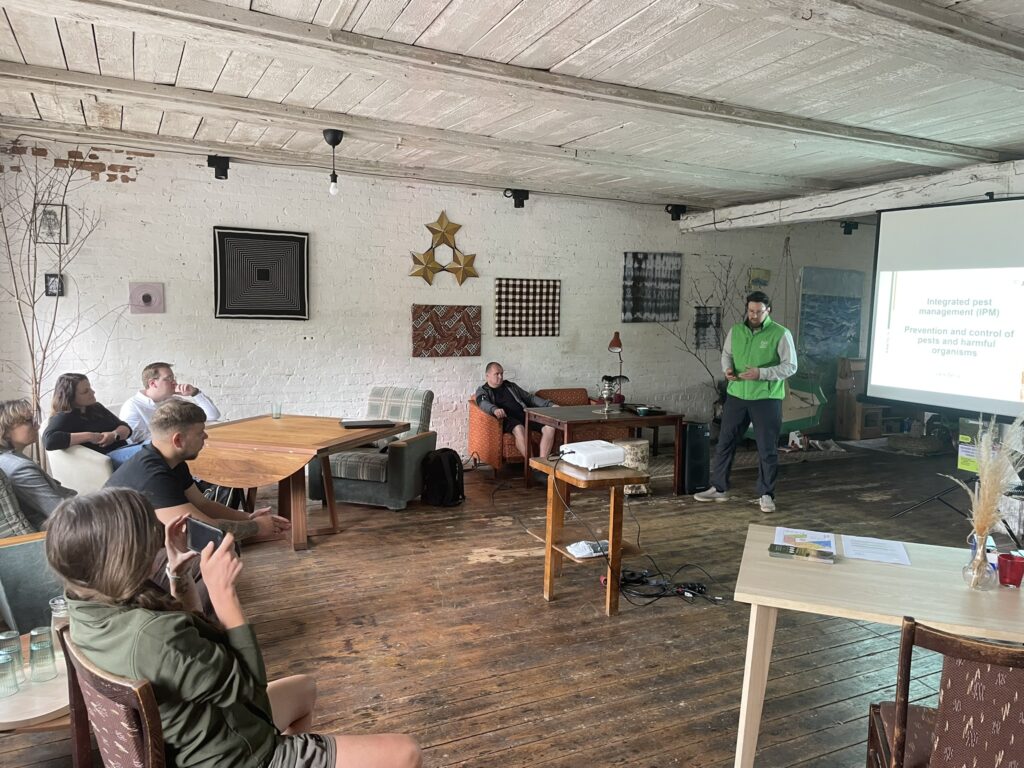
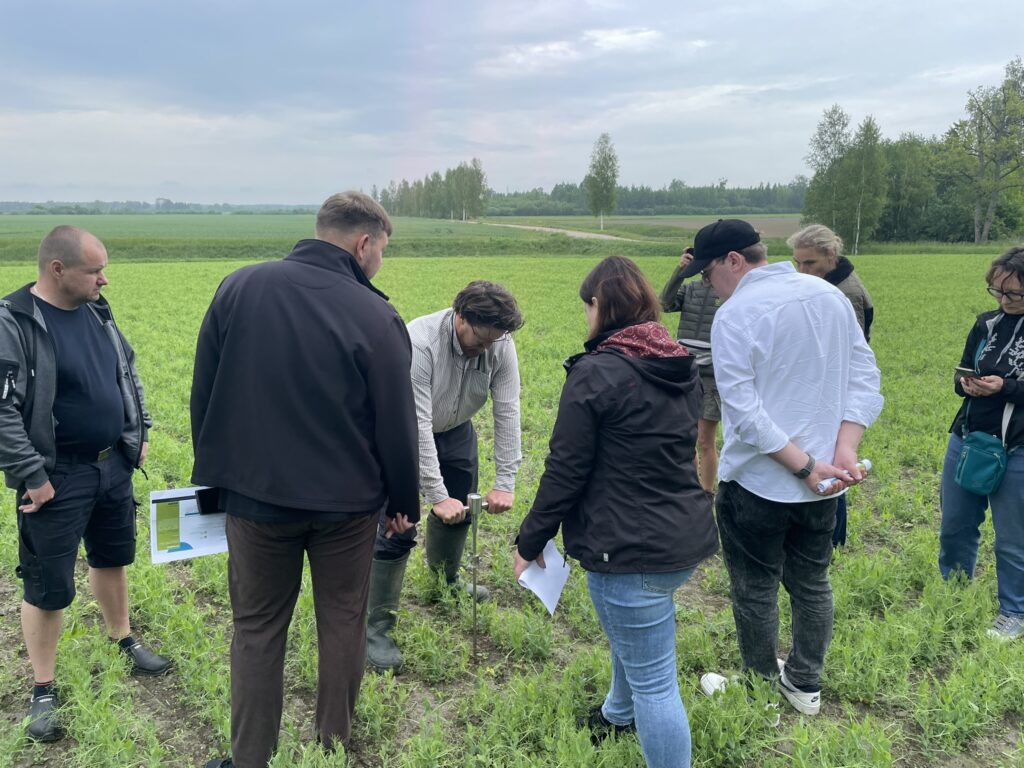
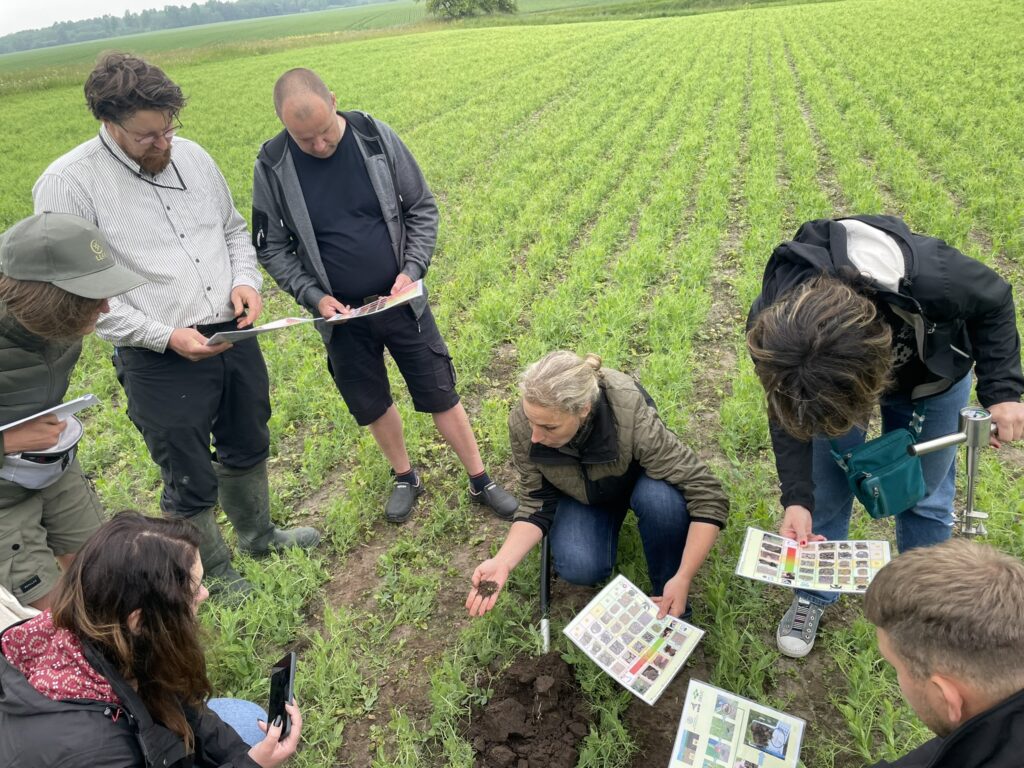
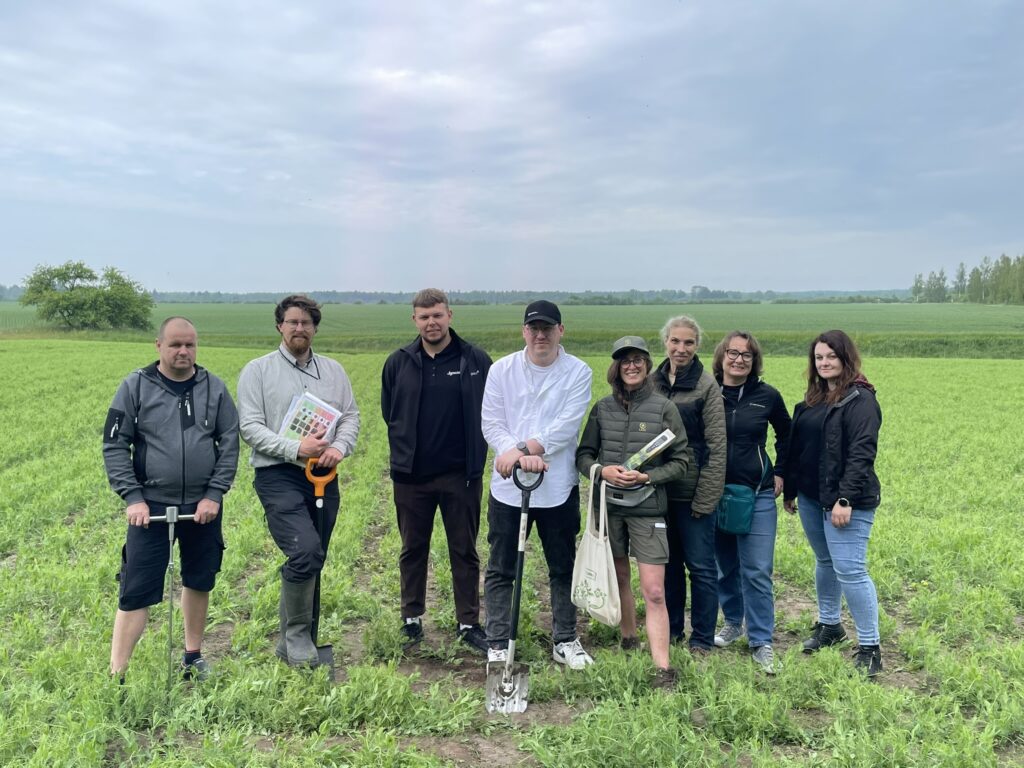
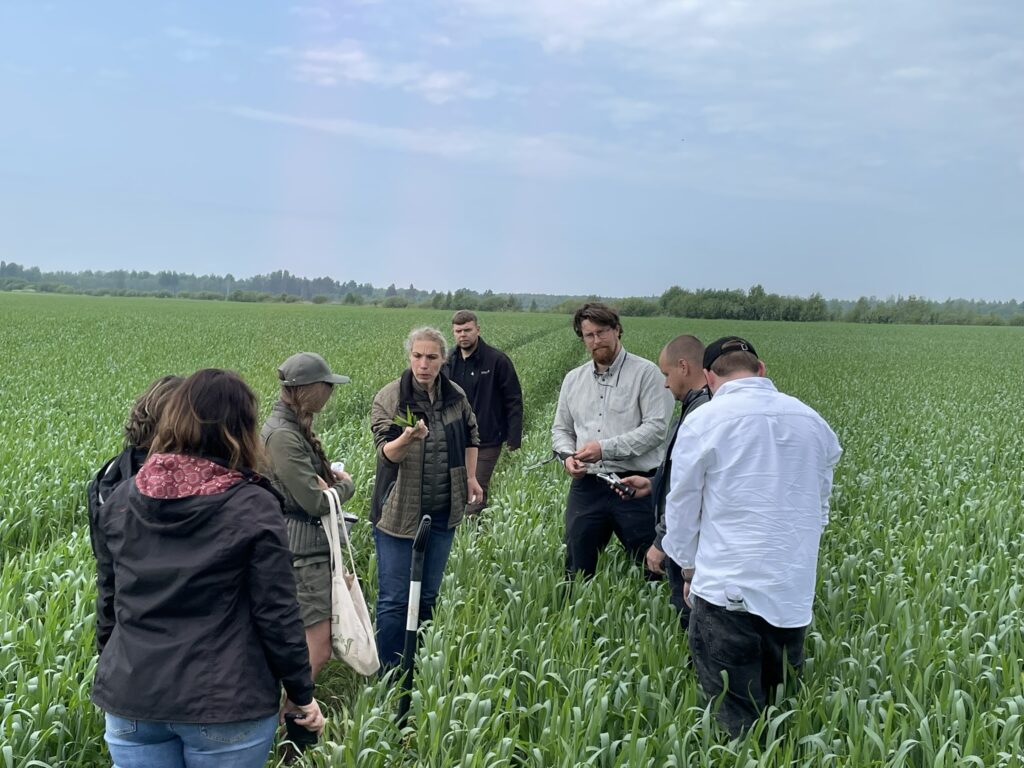
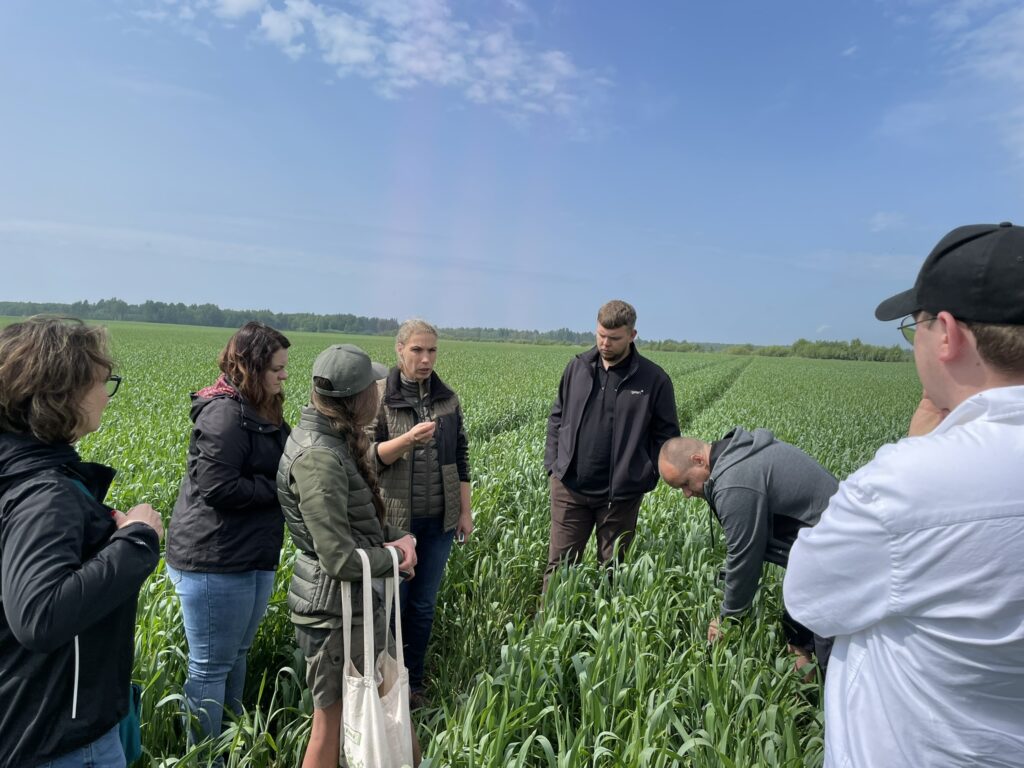
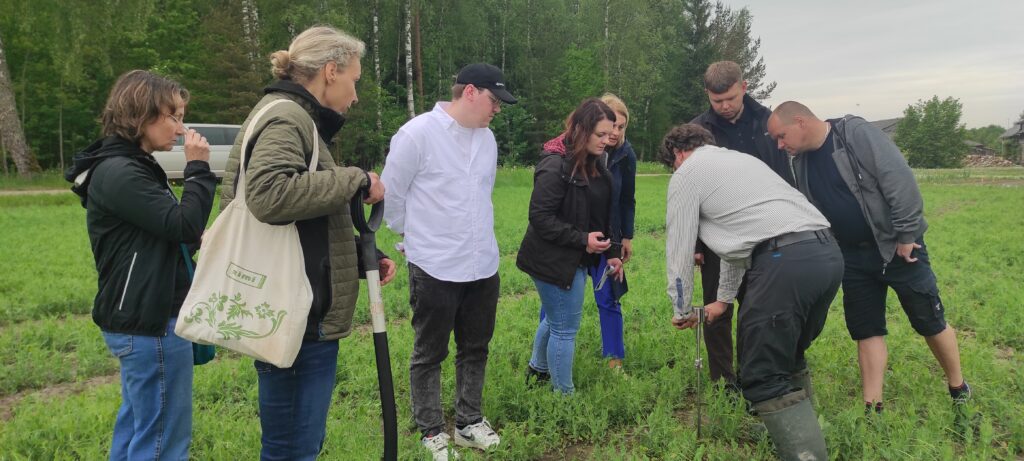
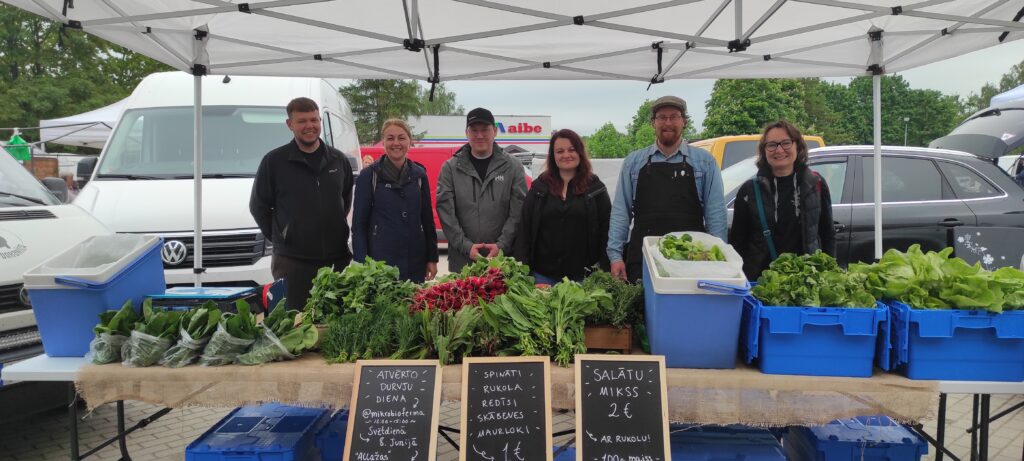
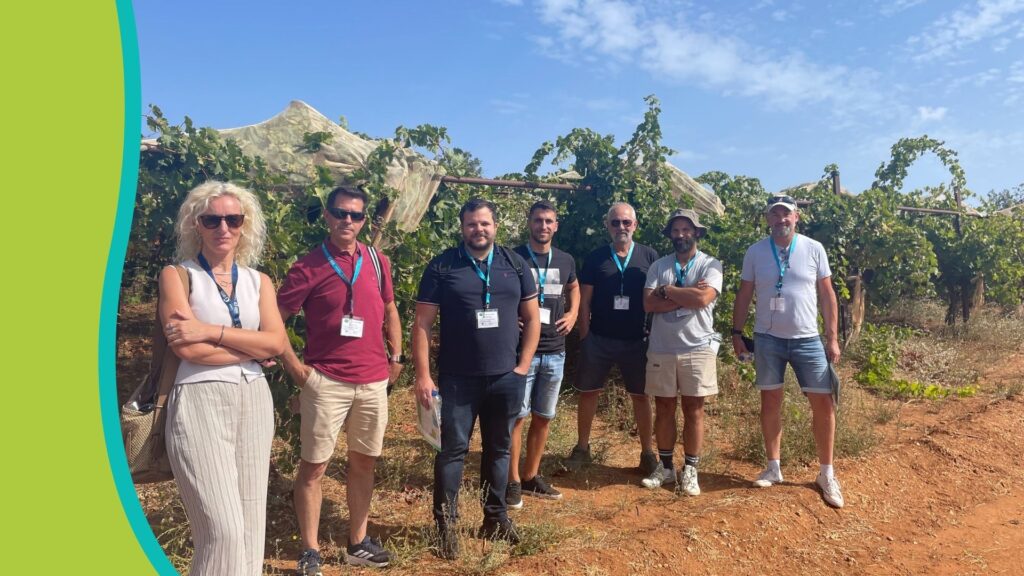
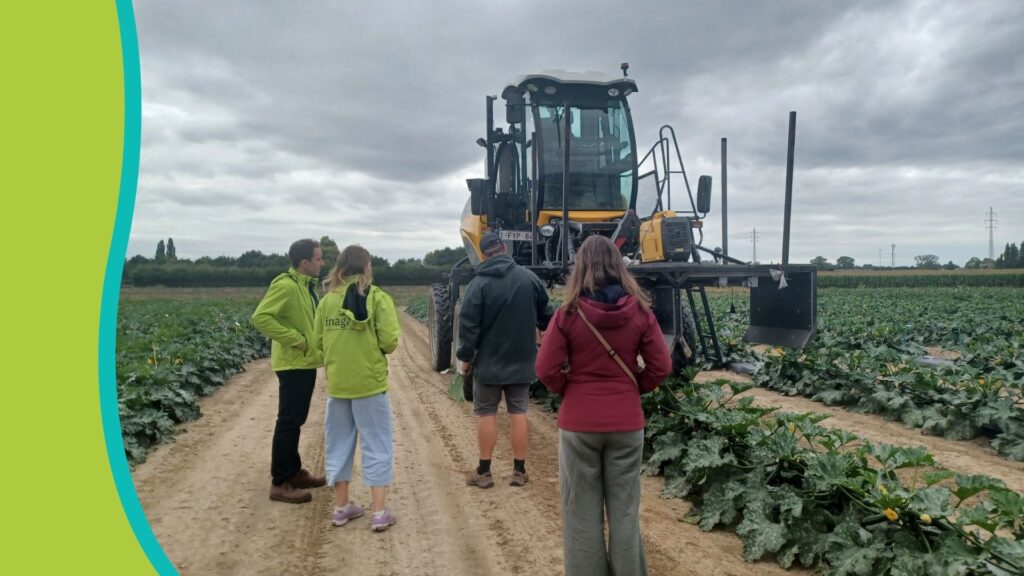
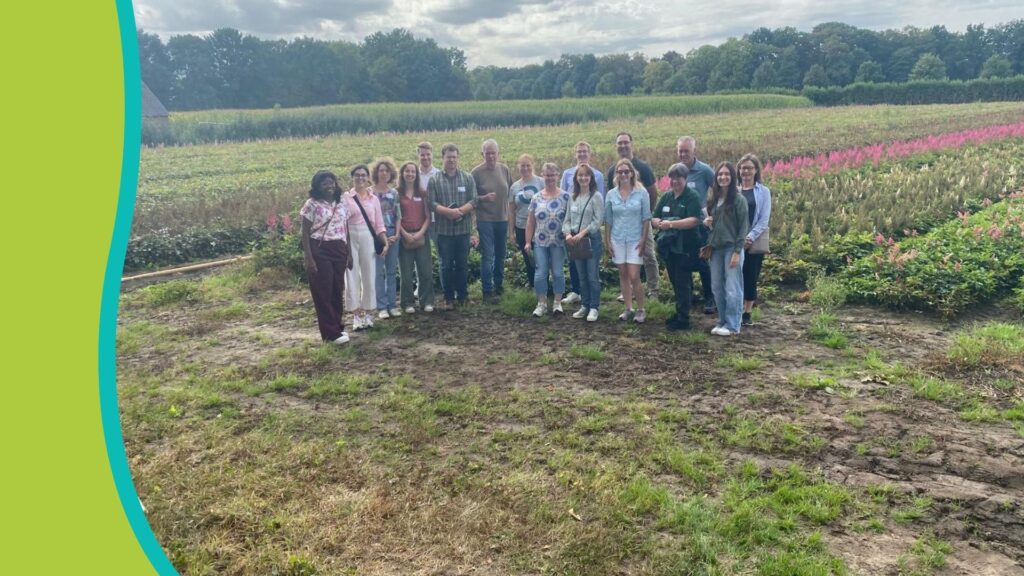
On 5–6 June 2025, AdvisoryNetPEST partners from Lithuania and Poland took part in a cross-visit hosted by LLKC in Latvia. The event brought together nine participants and focused on the practical application of a regenerative agricultural system. The visit was centred on the farm of Aivars Pugulis, located in the Dienvidkurzeme region in South-West Latvia, where participants explored how microbial plant protection products and direct sowing are being combined to improve soil health and crop resilience.
A Regenerative Approach to Soil and Plant Health
The Novel Approach presented during the visit integrates direct sowing with microbial products developed by Bioenergy LT. These products aim to enhance the plant’s ability to absorb nutrients while maintaining soil fertility at optimal levels. According to Aivars, crops treated with microbial products show good sugar levels when measured with a Brix meter, an indication of healthy and resilient plants. Early evidence suggests that the system helps crops resist common diseases without compromising yield potential.
The Farm Context
Aivars manages 307 hectares, cultivating winter wheat, peas, barley, corn and oilseed rape. The fields vary between sandy loam and clay loam soils, and the farm is influenced by a maritime climate where spring frosts are not uncommon. This variability creates a challenging environment in which soil structure, health and biological activity play a crucial role in crop performance.
Adoption Requirements and Available Resources
To implement the regenerative system, the farm relies on specific machinery, including a strip-till cultivator, a direct seeder, a sprayer and a disc shredder. The farm is operated as a family business, and Aivars benefits from the support and shared knowledge within his local cooperative. Technical equipment, combined with cooperation and advisory services, forms the foundation for adopting and optimising the approach.
Challenges Faced During Implementation
Aivars emphasised that regenerative agriculture requires patience, as soil biology and fertility do not change overnight. The transition period can be long, and immediate results should not be expected. The current low profit margins in crop production also make the investment in new machinery and microbial products more difficult. Nevertheless, the farmer highlighted that long-term benefits—rather than short-term gains—should guide the decision to adopt this practice.
Adjustments to the Cropping System
To fully integrate the approach, several modifications were needed. Aivars invested in new machinery suitable for direct sowing and adjusted his cropping technology to reduce dependence on chemical plant protection products. Microbial plant protection has been introduced progressively, and chemical PPP use has been reduced accordingly.
Results Observed So Far
Although the practice is still in an experimental stage, several benefits have already been noted. Yields have remained stable, and soil physical, chemical and microbiological quality have improved. Equally important, the farmer has gained a stronger awareness of working in a safer and more sustainable environment—an outcome he considers as valuable as the agronomic improvements.
No negative impacts have been identified to date.
Looking Ahead
In the future, Aivars plans to invest in his own soil health monitoring equipment to make more informed decisions in real time. He also aims to identify the most efficient crop varieties suited to his regenerative system, optimising the rotation and crop performance even further.
Advice from the Farmer
Aivars encouraged visiting farmers to be confident and curious when testing new practices. As he explained:
“If you want to, anything can be done. Trust yourself and your farmer’s intuition, don’t be afraid to experience more, listen to advice from competent consultants, and listen less to plant protection product salesmen. Watch, observe, learn, understand, then you will succeed. Just start doing it!”
Infrastructure and Skills Needed
Across Latvia, Lithuania and Poland, similar challenges and requirements were identified. The cost of machinery and the knowledge needed to select and use biostimulants play a major role in deciding whether to adopt the practice. Membership in cooperatives and access to professional advisory services are common and highly beneficial. Advisory support from LLKC and cooperative agronomists helps farmers make well-informed decisions.
Training remains essential—particularly in machinery use, biostimulant application and soil health assessment. Cross-visits such as this one play a crucial role by allowing farmers to learn directly from each other’s experience.
Advice from the Advisor
Advisors highlighted the importance of understanding each farm’s individual conditions before integrating the novel approach. They stressed the need for ongoing learning, experimentation and adaptation, as well as clear guidance for farmers seeking to access subsidies available for such practices.
Cross-Visit Highlights
One of the key takeaways from the visit was the importance of recognising the unique needs of each farm and tailoring the approach accordingly. Participants valued the emphasis on continuous learning and on investing time in understanding the practices before fully implementing them.
Participant Feedback
Although the group was small, the discussions were exceptionally productive. Participants described the visit as highly valuable, particularly the lecture on soil health and the field assessments carried out together. They noted that the knowledge gained would directly support their daily advisory and farming work back home.