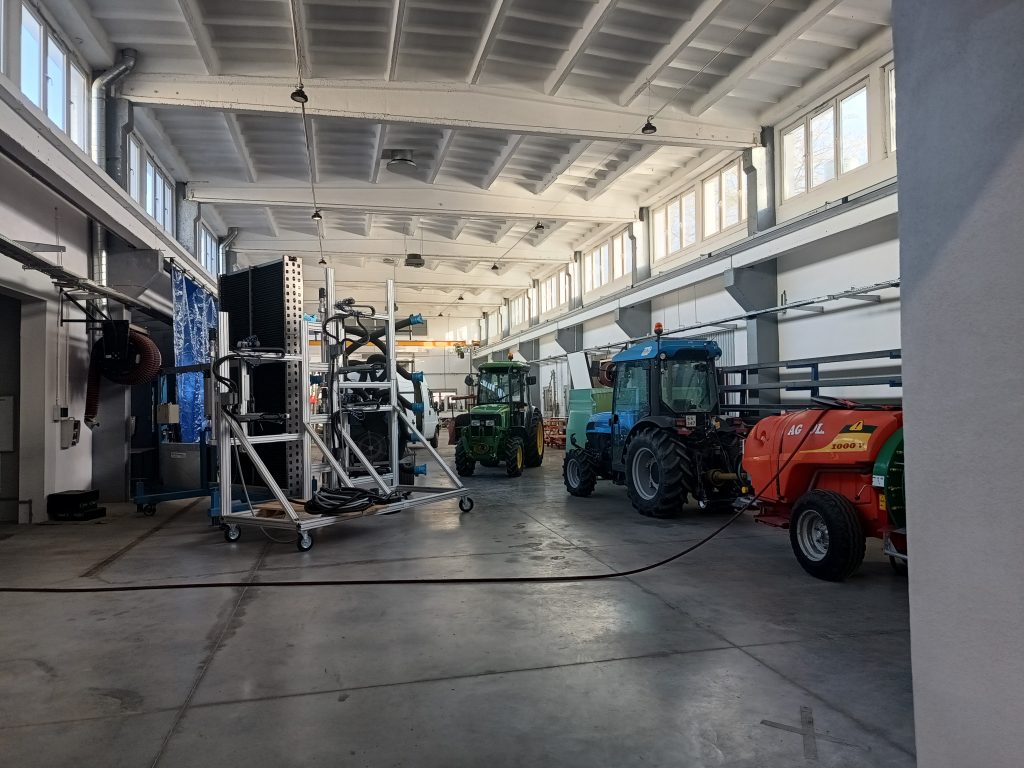
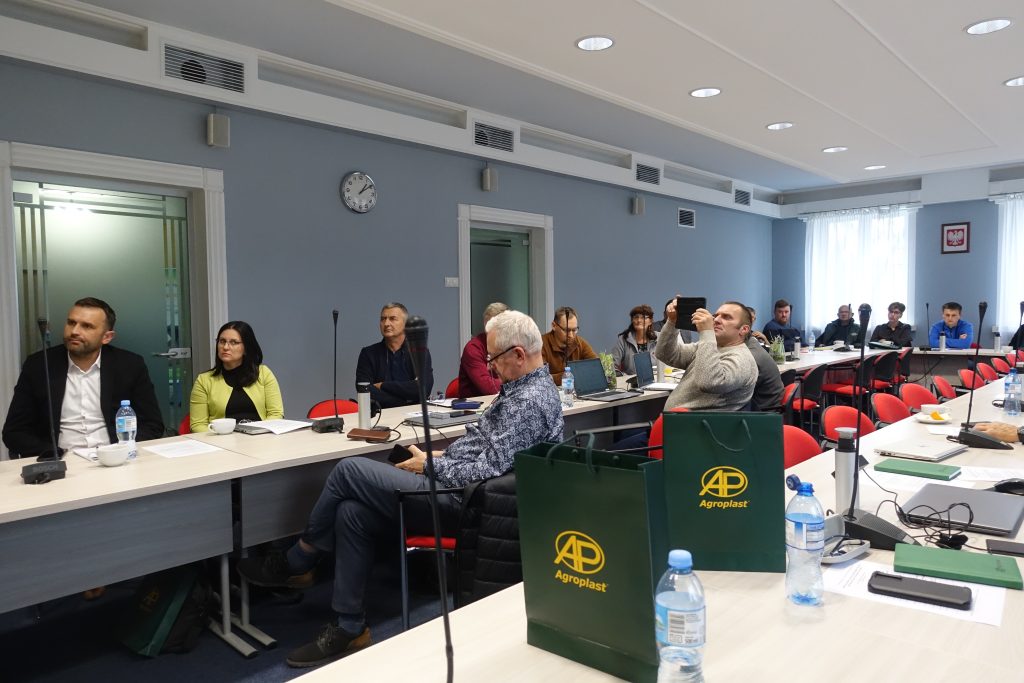
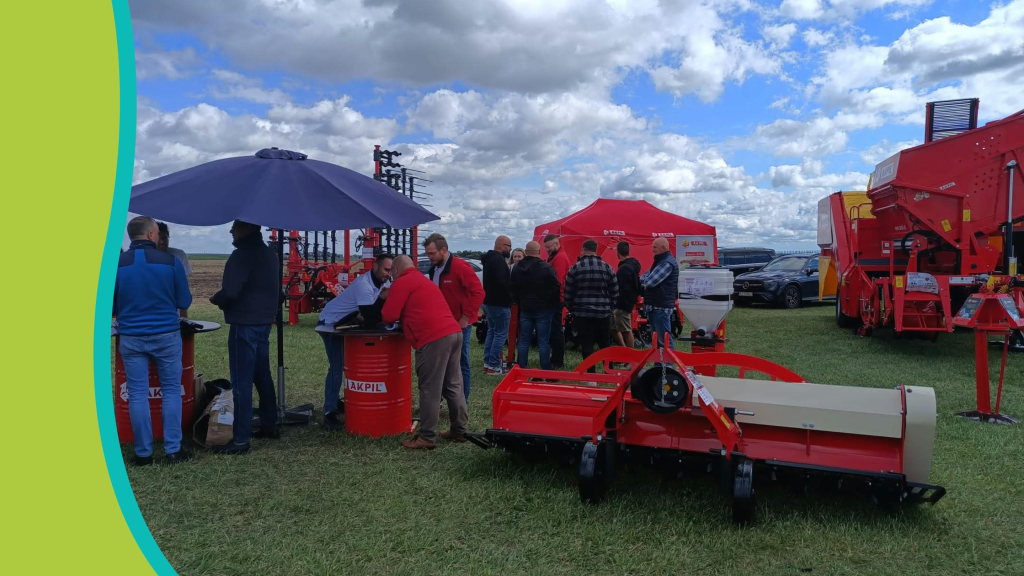
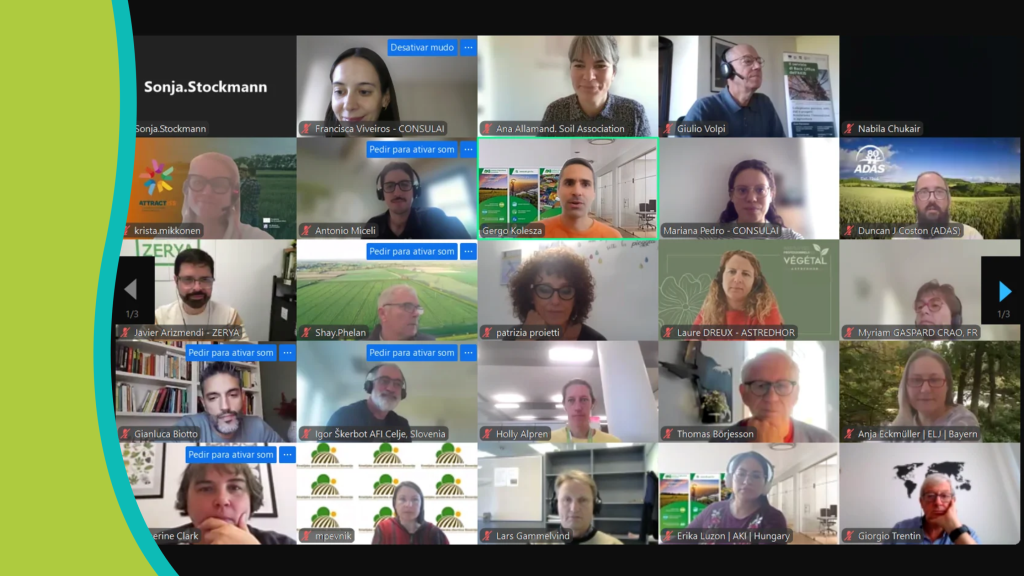
On 14 October 2026, a training session on Spray Drift Reduction Techniques for Plant Protection Products took place at the National Institute of Horticultural Research (InHort) in Skierniewice, Poland. The training was aimed at agricultural advisors and teachers. It focused on the List of Drift Reduction Techniques (DRT) and methods for reducing spray drift during plant protection treatments.
Reducing spray drift through appropriate techniques
One of the highlights was a lecture by Prof. Grzegorz Doruchowski from the National Institute of Horticultural Research. Entitled “The Role of Spray Drift in Application Technology”, the presentation addressed spray drift during plant protection treatments.
Prof. Doruchowski explained the importance of selecting appropriate spraying techniques to reduce the risks associated with pesticide application.
He is also a co-creator of CASA (Crop Adapted Spray Application), a Polish Novel Approach from the orchard sector. CASA is an innovative spraying system that adapts pesticide application to the characteristics of orchard crops.
The technology enables more precise targeting of spray liquid onto the crop canopy. This can help minimise spray losses and reduce the risk of off-target drift.
CASA is closely aligned with the objectives of AdvisoryNetPEST, particularly the goal of reducing environmental risks associated with pesticide use.
Connecting research with practical guidance
Other lectures addressed spray drift testing and classification, methods for measuring spray drift under field conditions and recent research on drone-based spraying in orchards. Participants also received practical guidance on using the List of Drift Reduction Techniques.
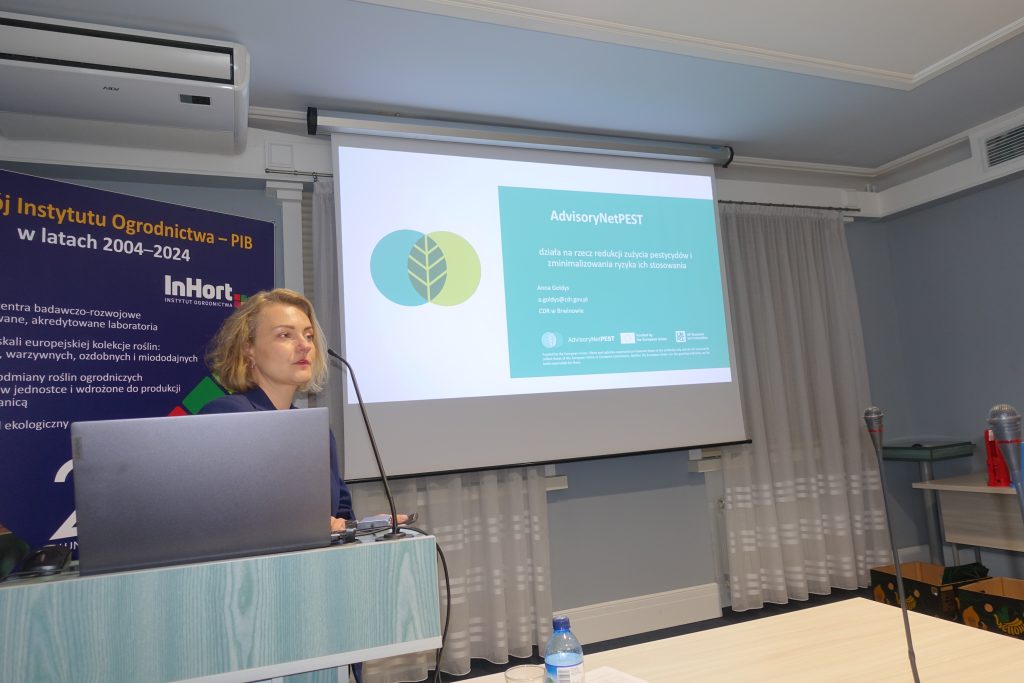
During the training, Anna Gołdys from CDR presented the AdvisoryNetPEST project. The presentation highlighted innovative practices aimed at reducing pesticide use and the associated risks.
The training connected research, technical knowledge and practical guidance for agricultural advisors and teachers. It also highlighted the role of CASA in promoting good plant protection practices and supporting efforts to reduce the use and risk of pesticides.